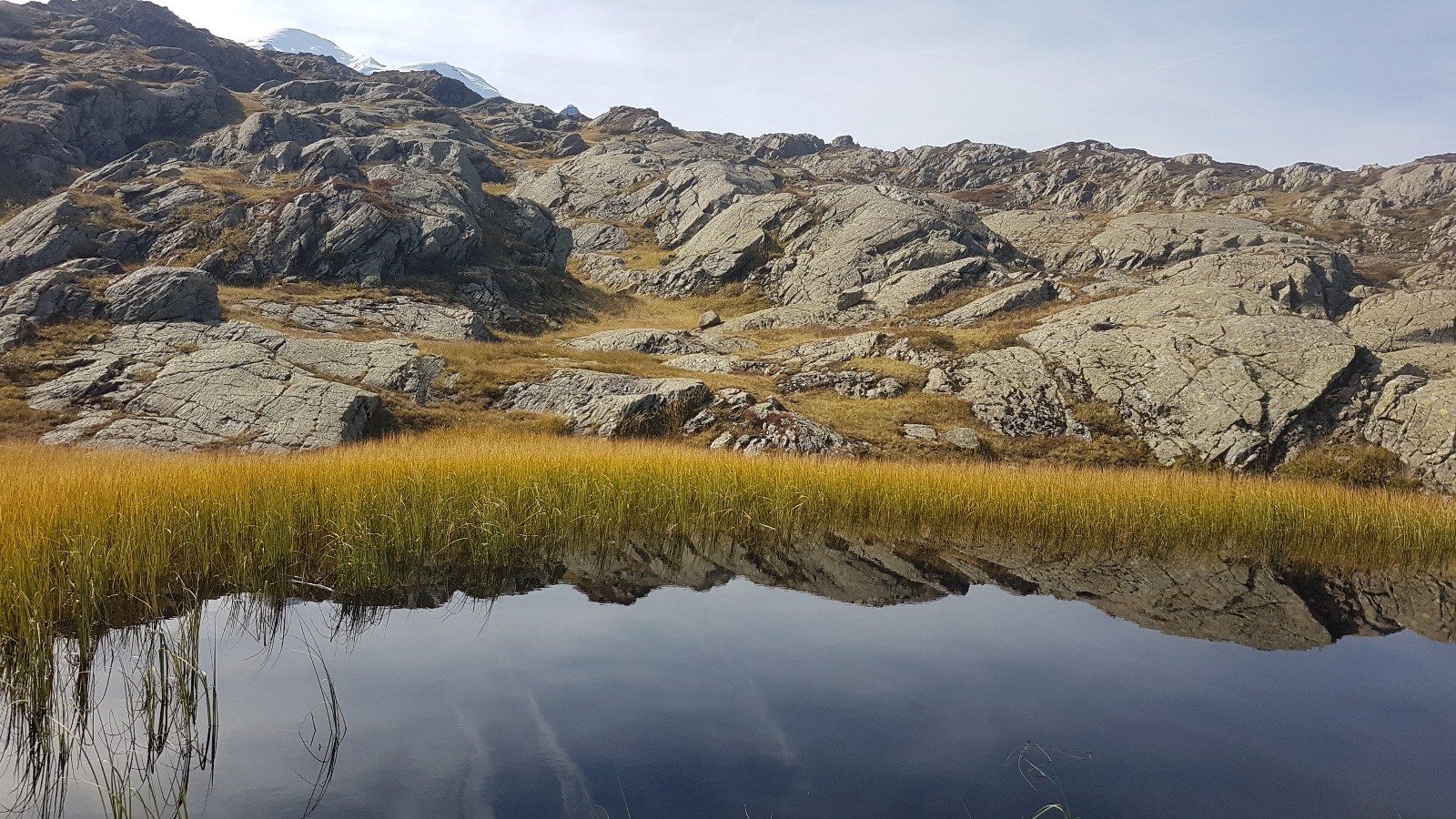
 © Marie Lamouille-Hébert
MBAPPE
Aquatic Macro-Biodiversity in Small Water Bodies
SECTIONBiodiversity of concern |
PERIODJanuary 2026 - December 2026 |
|
FUNDINGPôle ECLA |
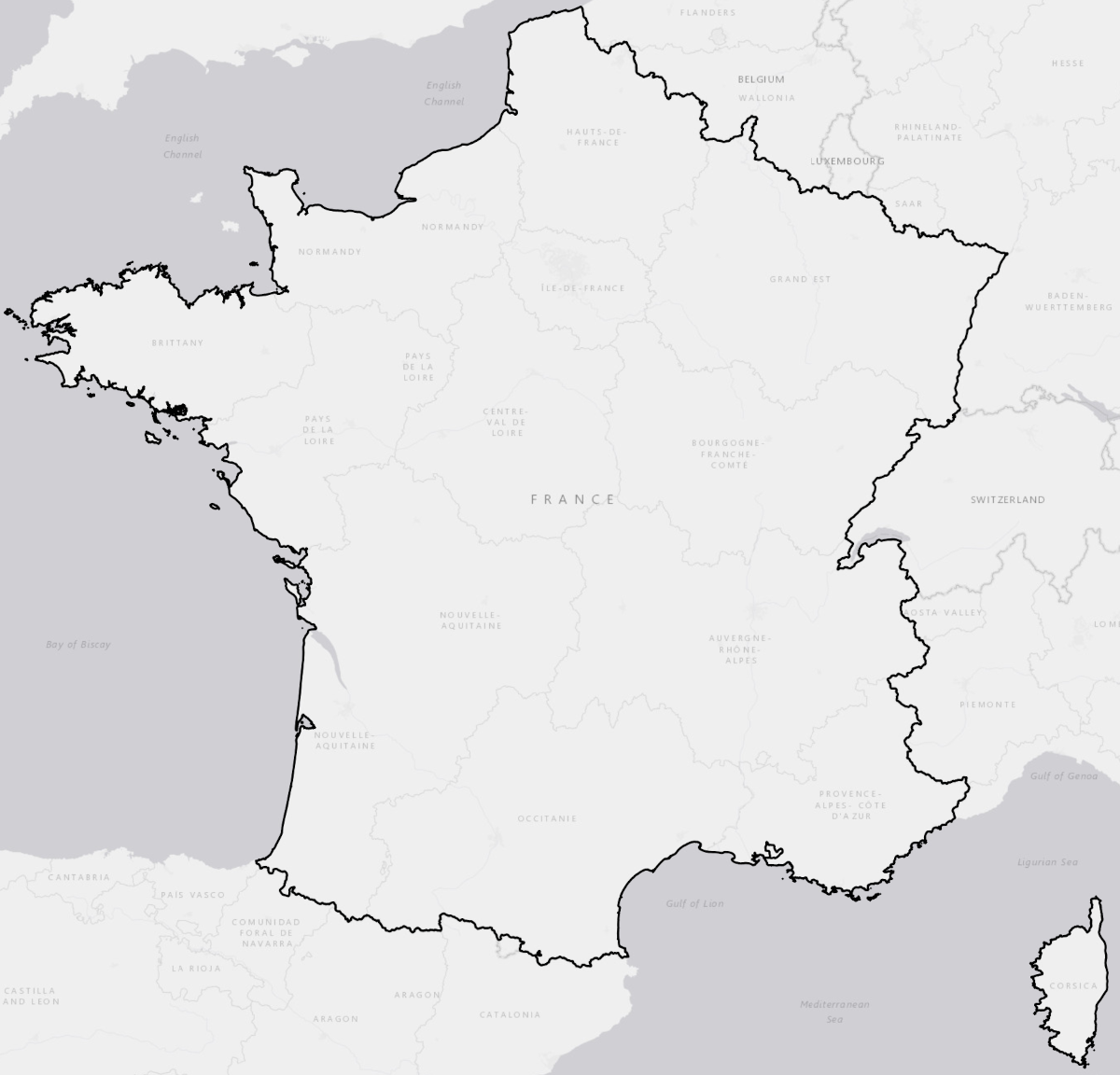
STUDY AREA(S)Hexagonal France |
|
PARTNERSM. LAMOUILLE-HEBERT (USMB_FNE74)T. DATRY (INRAE_Riverly) M. LOGEZ (INRAE_Riverly) G. YANNICK (USMB/CNRS LECA) |
COORDINATOR(S)H. RODRIGUEZ PEREZF. ARTHAUD |
Project Description
Project Context :Despite playing a major ecological role, small water bodies are often overlooked in management and conservation policies. They are the most abundant type of aquatic habitat nationwide. Their high density and diversity make them vital reservoirs of biodiversity. They perform fundamental ecological functions such as water purification and hydrological regulation. Their high heterogeneity, particularly in physicochemical terms, makes them valuable models for studying community structuring processes and functional responses to human-induced changes.
Project Objectives :In this context, the MBAPPE project aims to adopt an integrated approach to the macrobiodiversity of small water bodies by combining two complementary perspectives. The first is the shoreline zones of high-altitude lakes, which are poorly documented yet highly vulnerable to climate change. Fish-farming ponds, where the focus is on the relationship between fish production and ecological functioning. Integrating data from these two types of water body will enable us to begin developing indicators of their conservation status.
Project Results
Characterise the biodiversity of the shorelines of high-altitude lakes in relation to their environmental contexts and aquatic landscapes (networks of lakes and ponds). • Identify fish pond management practices that positively impact biodiversity while preserving economic activity. • Initiate discussions on creating water body conservation indicators.
To go further
Contact : florent.arthaud[at]univ-smb.fr