 © A. Levallois
QUAGGALLELO
Chemical ecology of the quagga mussel
SECTIONBiodiversity of concern |
PERIODJanuary 2024 - December 2026 |
|
FUNDINGFondation USMBPole ECLA SILA CISALB |
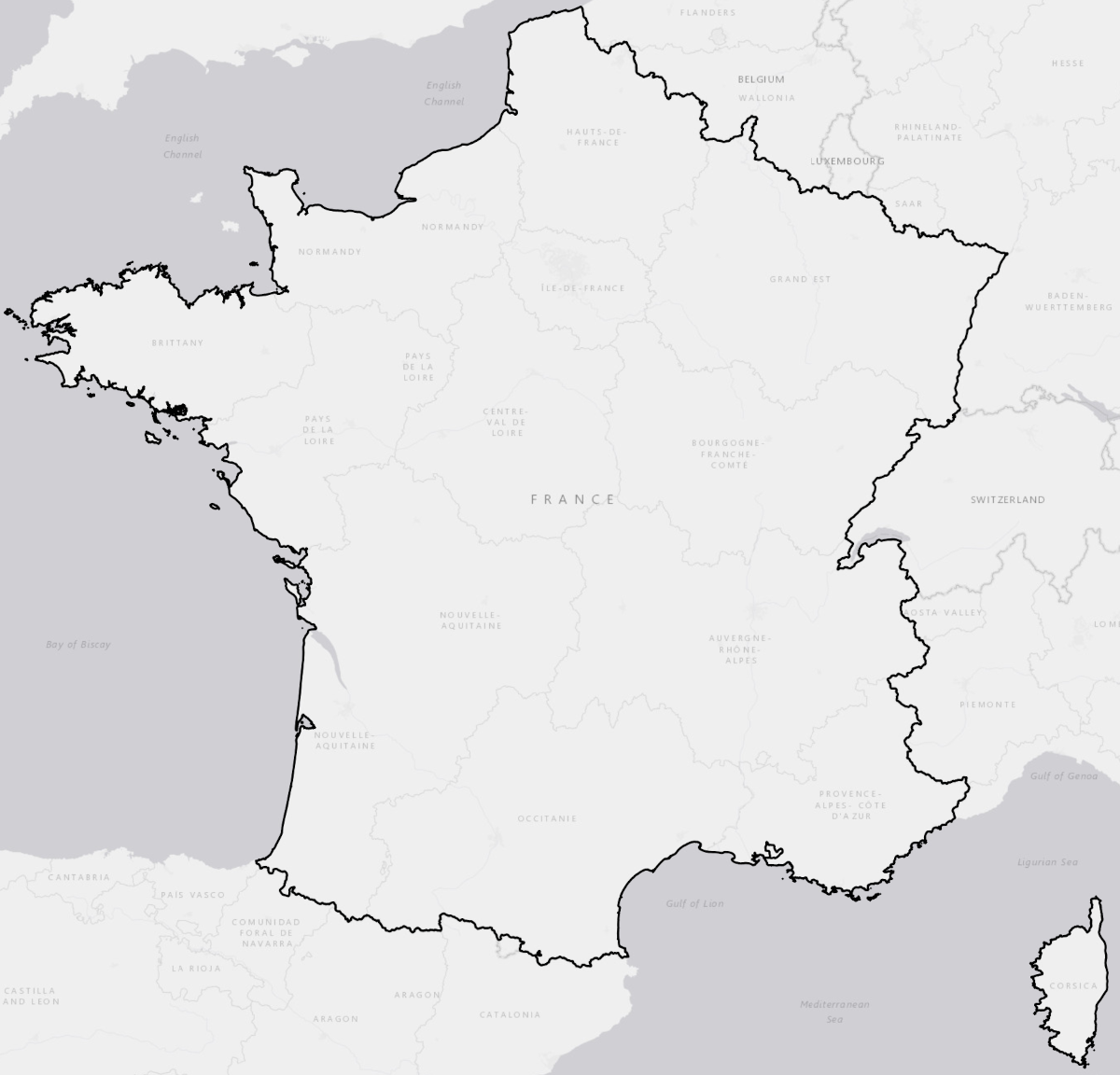
STUDY AREA(S)Hexagonal France |
|
PARTNERSUniversité de Caen |
COORDINATOR(S)V. Frossard |
Project Description
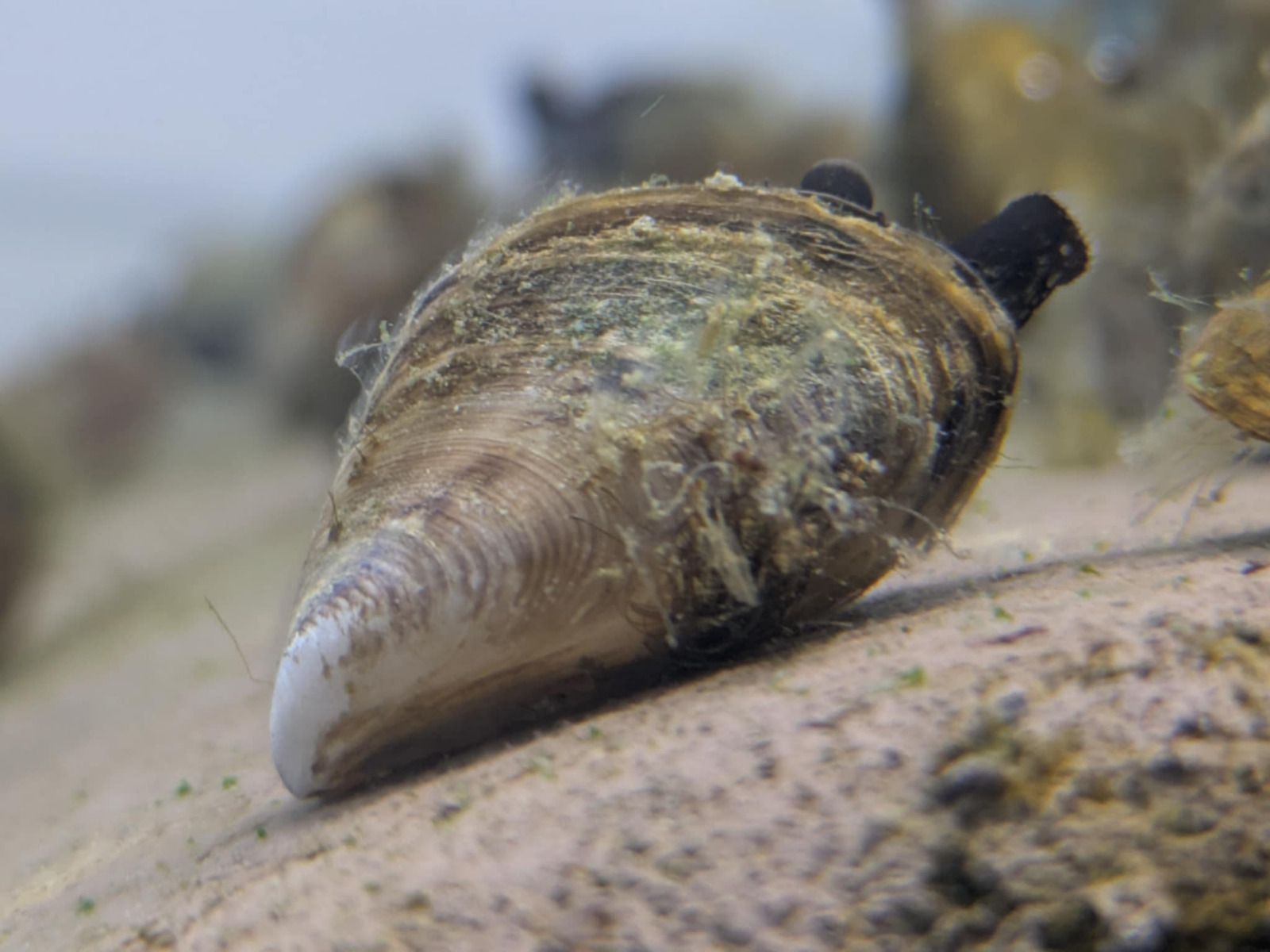
Project Context :The quagga mussel (Dreissena bugensis) is an invasive species that has colonized numerous European lakes, including the large Alpine lakes. Its expansion disrupts the functioning of colonized aquatic ecosystems, notably by altering biogeochemical cycles and benthic communities, thereby generating major economic impacts on various lake uses. One of the key factors determining its colonization success is the production of planktonic larvae, which enable dispersal and establishment. This process could, in part, be influenced by chemical communication with adults.
Project Objectives :The objectives of the project are to: -Identify attractive molecules that stimulate larval settlement. -Develop prototypes of chemical and physical traps to capture larvae. -Understand the reproductive cycle in order to optimize the spatial and temporal deployment of the traps. -Deploy and optimize trap prototypes to control quagga mussels in specific contexts (drinking water intakes and reservoirs, harbors, and ship ballast tanks).
Project Results
The expected results are the identification of molecules produced by adults that stimulate larval metamorphosis, the development of suitable carriers for the fixation and diffusion of these molecules to enable the design of prototypes capable of trapping veliger larvae in specific contexts. In addition, knowledge of the reproductive cycle will allow the identification of key periods of quagga mussel larval production to support an otpimal deployment of the prototypes..
To go further
Contact : victor.frossard[at]univ-smb.fr