 © Splendia
CLIMEULAC
Impact of warming and eutrophication on diversity, structure and functioning of alpine lakes
SECTIONEffects on biodiversity and ecosystem functioning |
PERIODJune 2025 - December 2026 |
|
FUNDINGPôle ECLA |
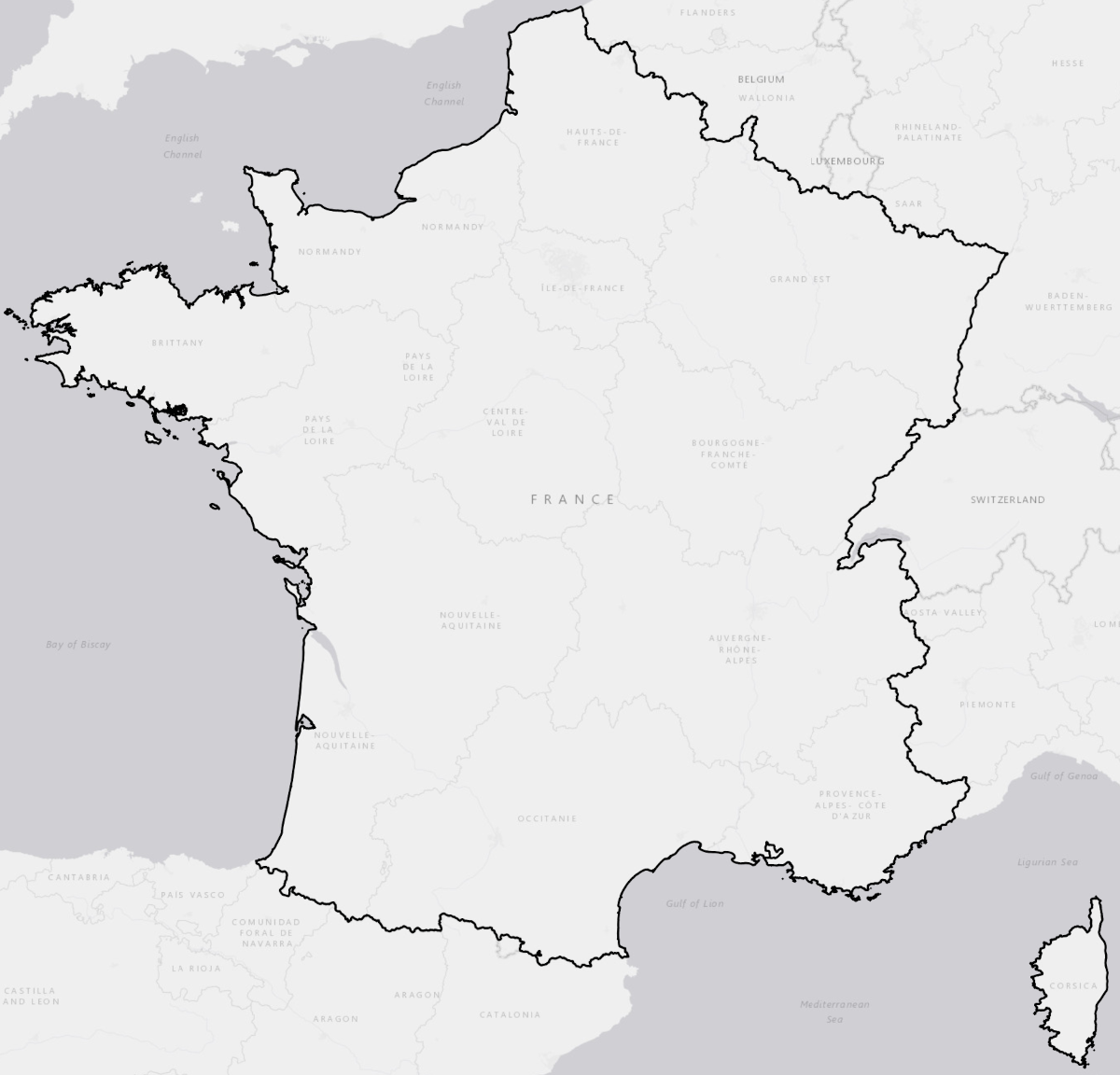
STUDY AREA(S)Hexagonal France |
|
PARTNERSUMR CARRTEL (Université Savoie-Mont Blanc)Observatoire des Lacs Alpins (OLA) UMR EABX (Université Bordeaux-Aquitaine) |
COORDINATOR(S)A. Sentis |
Project Description
Project Context :Global warming and nutrient inputs are disturbances linked to anthropogenic activities that have a strong impact on the biodiversity of lakes. Estimating their effects is all the more complex as these factors act in combination. This is particularly the case for planktonic organisms (phytoplankton and zooplankton) which constitute the basis of food networks and determine the dynamics of other organisms (macroinvertebrates and fish). Several ecological indices exist to characterize biodiversity but their responses to disturbances are still poorly understood.
Project Objectives :This project aims to establish links between the diversity (taxonomic and functional), structure (complexity) and functioning (energy flows) of lake food webs and to understand how temperature and nutrients modulate these links. This work proposes to study the effects of these disturbances on the biodiversity of lakes both by a temporal approach, via the understanding of changes within the same lakes, and by a spatial approach, via the comparison of multiple lakes with distinct characteristics.
Project Results
The taxonomic and functional diversity of lakes would be impacted by temperature and nutrients with distinct effects between trophic compartments. Phytoplankton and zooplankton would be positively impacted by an increase in nutrients (bottom-up effect) while macroinvertebrates and fish would be negatively impacted by warming (top-down effect). This would result in complex changes in the structure (number of interactions) and functioning (energy flows) of food webs.
To go further
Contact : tom.reveillon[at]inrae.fr