 © Chirine Toumi
FTT
Fish Thermal Tolerance and exposition to climate change
SECTIONEffects on biodiversity and ecosystem functioning |
PERIODJanuary 2025 - July 2027 |
|
FUNDINGPôle ECLA |
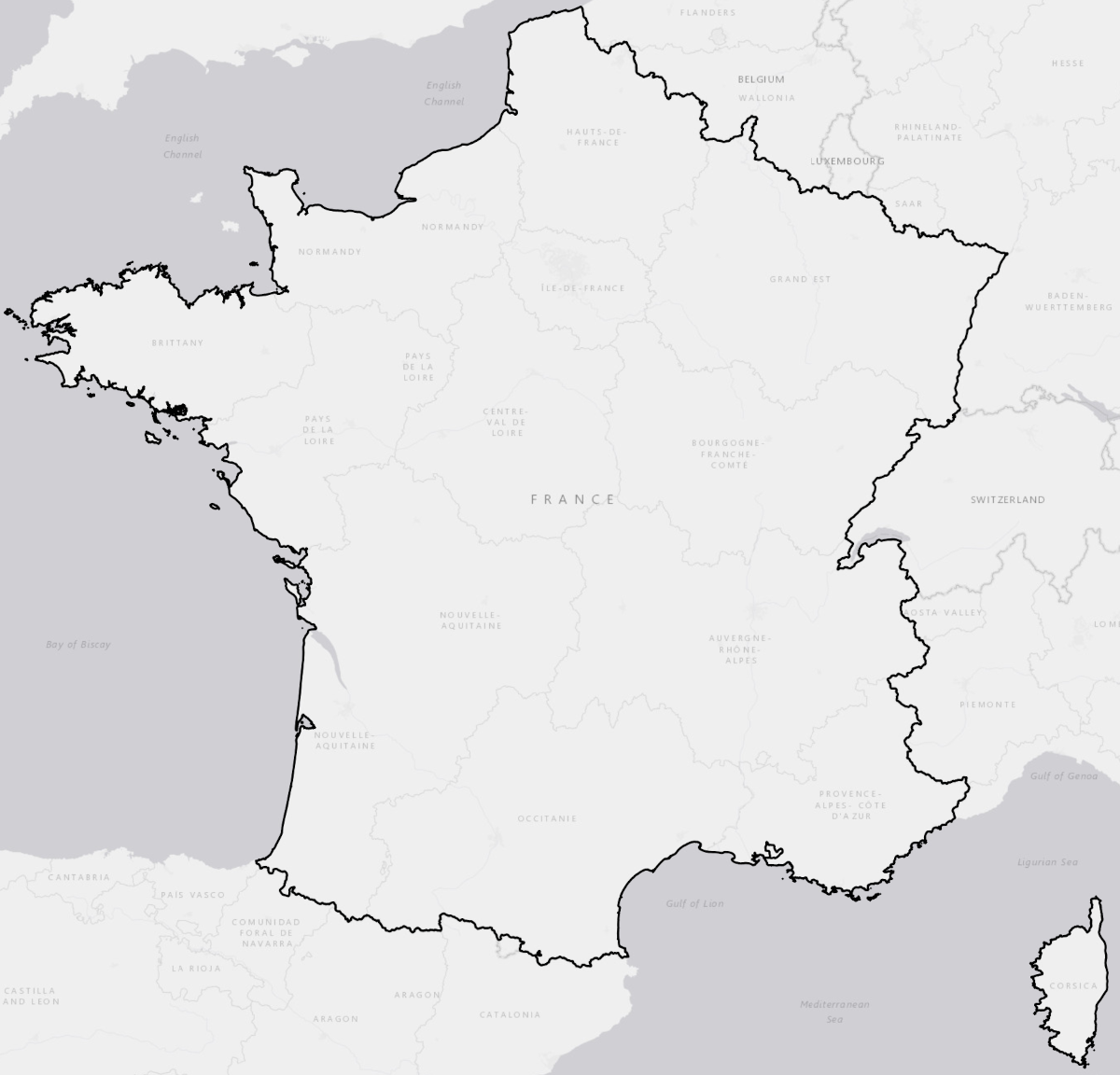
STUDY AREA(S)Hexagonal France |
|
PARTNERSINRAEOFB Université Savoie Mont Blanc |
COORDINATOR(S)A. SentisM. Daufresne |
Project Description
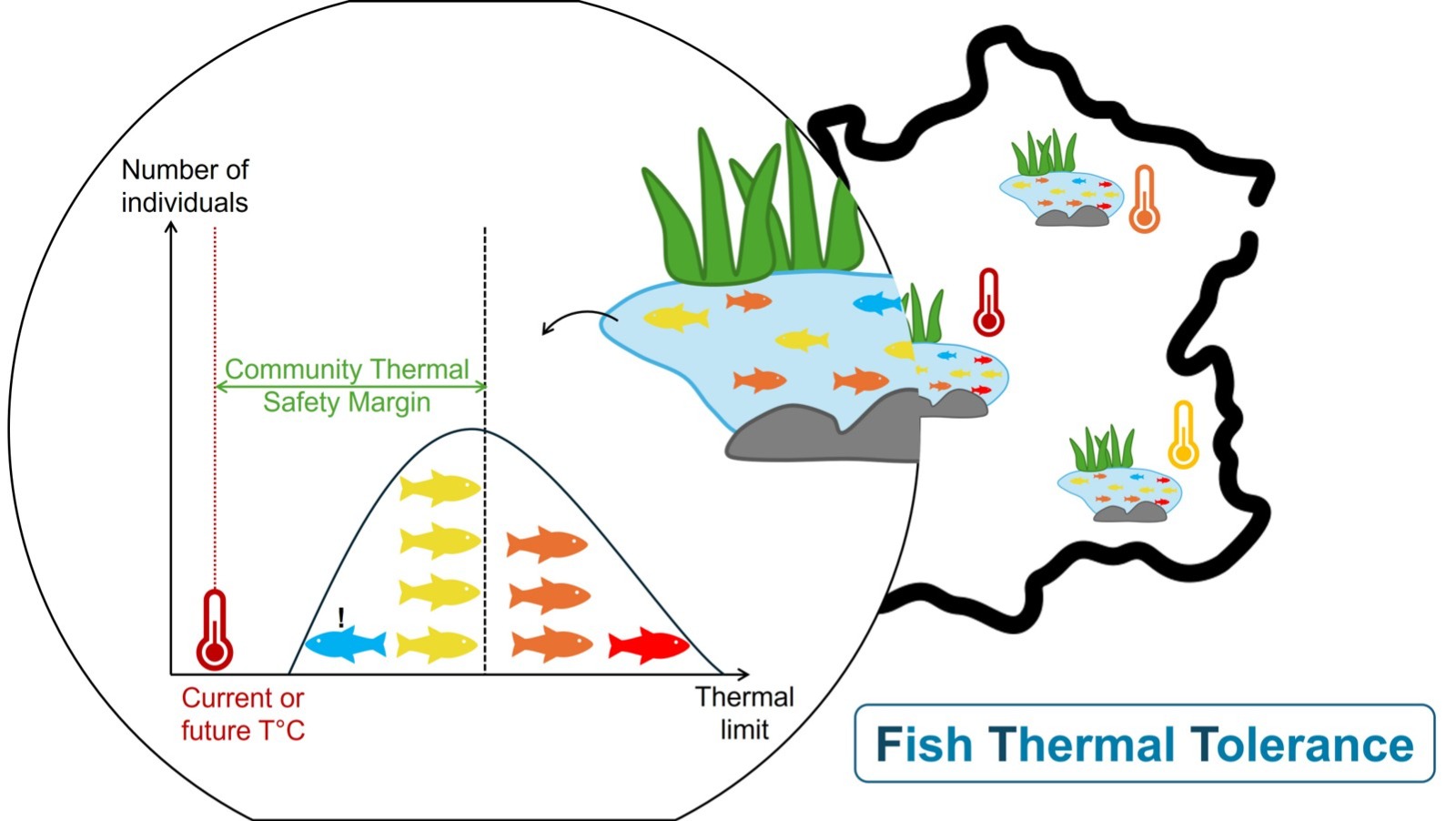
Project Context :FTT is part of an effort to quantify climate change impacts on biodiversity, one of the major challenges of this century. Climate change affects species survival and jeopardises the integrity of ecological communities, impacting the functioning and health of ecosystems. Organismal thermal tolerance and exposure to temperature changes can serve as indicators of their vulnerability to climate change. Here, we focus on lake fish communities, as fish are ectothermic organisms that are particularly sensitive to changes in water temperature.
Project Objectives :1) Creation of a database of thermal limits for lake fish species at the national scale. 2) Calculation of thermal tolerances at the community level. 3) Comparison of community thermal tolerances with the temperatures to which they are exposed (quantification of the Community Thermal Safety Margin). 4) Use of climate projections to determine which communities will be most impacted by climate change. 5) Development of an operational tool for measuring thermal limits based on fish enzyme activity.
Project Results
Thermal tolerance data were compiled for 49 fish species, yielding a total of 812 individual measurements. These data enabled the estimation of community-level thermal limits for lake fish assemblages while explicitly accounting for acclimation temperatures. Lakes with higher thermal regimes supported fish communities with greater total abundance and biomass. Although these communities exhibited elevated thermal limits, their thermal safety margins were reduced. Climate projections will help determine whether these assemblages are also likely to experience high rates of warming.
To go further
Contact : arnaud.sentis[at]inrae.fr